


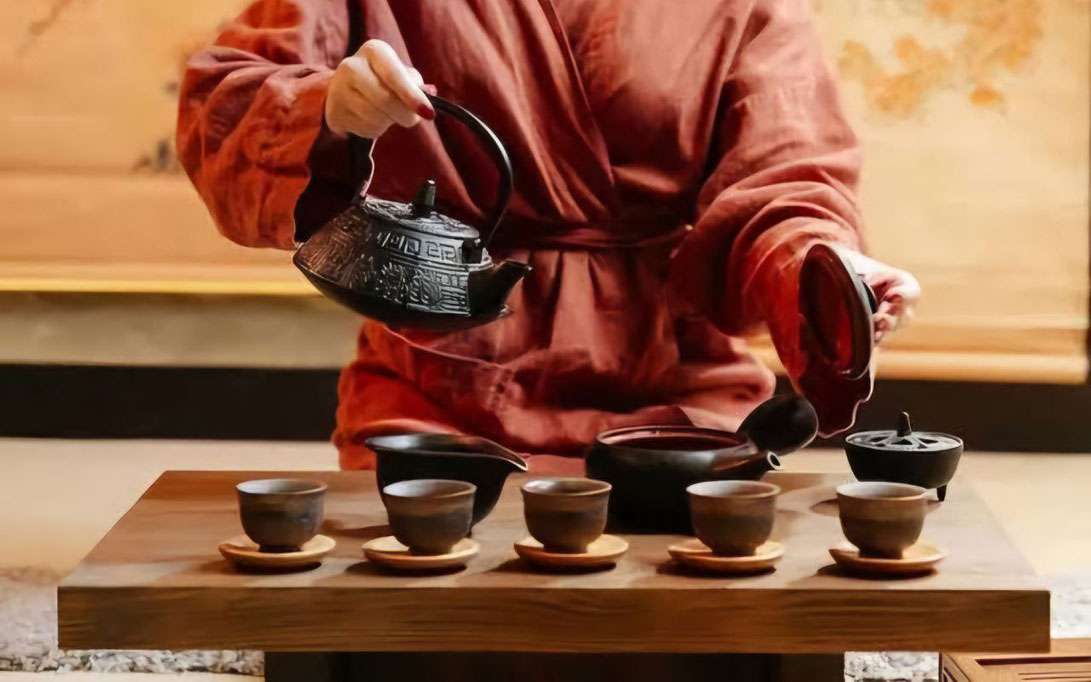
Tea Ceremonies Around the World and Their Cultural Meaning
Tea is more than just a beverage. Across the world, it has become a symbol of tradition, philosophy, hospitality, and daily ritual. Tea ceremonies reflect the character and values of different cultures — from quiet meditation to warm social gatherings.In this article, we explore some of the most well-known tea traditions around the world and how you can bring elements of these rituals into your own home.
Japan — The Art of Mindfulness
One of the most recognized tea traditions is the Japanese tea ceremony, known as “Chadō” (The Way of Tea). It is built on principles of harmony, respect, purity, and tranquility.The ceremony centers around matcha, a powdered green tea prepared through a precise sequence of movements — from cleaning the utensils to serving the tea.
This ritual was deeply influenced by Zen Buddhism and remains an important part of the cultural heritage of Japan.
Key characteristics:
- Minimalism
- Attention to detail
- Intentional, symbolic movements
China — The Gongfu Tea Ceremony
The Chinese “Gongfu Cha” ceremony translates roughly to “making tea with skill.” The focus is on precise brewing techniques and multiple short infusions.This tradition originated in China and emphasizes respect for both the tea and the guest.
Common elements include:
- Warming the teaware
- Short, repeated infusions
- Small tasting cups
- Emphasis on aroma
United Kingdom — Afternoon Tea Tradition
British afternoon tea began in the 19th century as a light meal served between lunch and dinner.Unlike Asian ceremonies, it is less meditative and more social.
A traditional afternoon tea typically includes:
- Black tea
- Milk
- Finger sandwiches
- Scones with jam and cream
Morocco — A Symbol of Hospitality
Moroccan mint tea is a powerful symbol of welcome and friendship. It is traditionally prepared with green tea, fresh mint, and sugar, poured from a height to create foam.This tradition is deeply rooted in Morocco culture.
Key features:
- Sweet flavor profile
- Fresh mint aroma
- Shared serving experience
India — Tea as Everyday Energy
In India, tea is often enjoyed as masala chai — black tea brewed with milk and spices such as cardamom, ginger, and cinnamon.Tea culture is deeply embedded in daily life in India, where chai represents warmth, hospitality, and energy.
Tea is not only a drink here — it is part of everyday social connection.
What Unites Tea Traditions Worldwide?
Despite their differences, tea ceremonies around the world share common values:✔ Respect for the process
✔ Attention to detail
✔ Creating atmosphere
✔ Building human connection
Tea is a universal way to slow down and be present.
How to Create a Tea Ritual at Home
You don’t need to strictly follow traditional rules to bring global tea culture into your daily life.You can:
- Use smaller cups to encourage mindful sipping
- Choose high-quality loose leaf tea
- Brew tea in glass or ceramic teaware
- Pay attention to presentation
Final Thoughts
Tea ceremonies across cultures reflect history, philosophy, and community. From the quiet elegance of Japan to the warm hospitality of Morocco, each tradition offers something unique.By choosing quality loose leaf tea and taking time to enjoy the brewing process, you become part of a global tea story that spans centuries.
×
Gifts are waiting
Easy to enter! Real chances to win!
×
Support Team
Hi! How can I help you today?